
Sushi Dominates, Chinese Cuisine Lags: Chinese Restaurants in Cluj-Napoca’s Asian Food Market

Cluj-Napoca has experienced significant economic growth in recent years, largely driven by the expansion of the IT sector and the presence of a vibrant international student population. As a prominent university city, Cluj-Napoca has become increasingly multicultural, bringing together individuals with diverse cultural backgrounds and culinary preferences. This growing internationalization has contributed to the diversification of the local food scene, with a wide range of global cuisines now available.
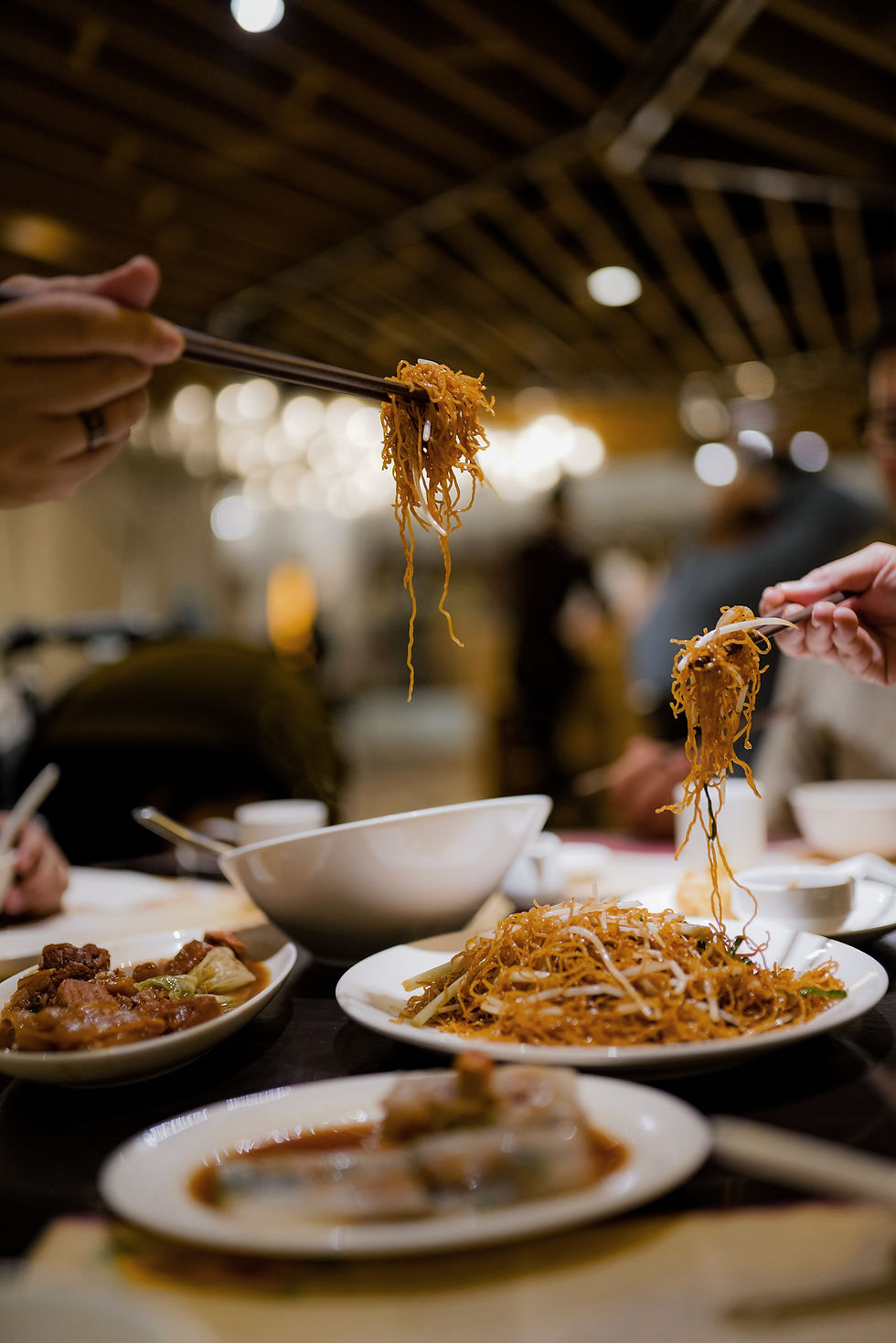
Today, residents and visitors can enjoy a variety of international cuisine, particularly Asian dishes. Among these, Japanese cuisine—especially sushi—has gained remarkable popularity. According to Google search results, there are approximately 37 Asian-style restaurants in the city, including both dine-in and delivery-based establishments. Despite Chinese cuisine's global reputation for its diversity and rich flavors, it remains underrepresented in Cluj-Napoca. Of these 37 establishments, only four specialize in Chinese food, while Japanese-style restaurants constitute the majority. Of the 4 Chinese restaurants, 2 are run by Chinese cooks, and 2 are Romanianized “ Chinese cuisine”.
This imbalance raises an important question: compared with other European cities, where Chinese restaurants often represent a significant segment of the dining market, why is Chinese cuisine less prominent in Cluj-Napoca? What factors contribute to its relatively limited presence?
A closer look at the composition of Asian restaurants in the city reveals that 24 of the 37 establishments are Japanese-style restaurants or delivery services. These account for approximately 65% of the total and primarily focus on sushi and related dishes. Their popularity is reflected in their strong customer ratings, which generally range from 4.2 to 5.0, with an average score of around 4.5. This indicates not only high consumer satisfaction but also a well-established market position.
In contrast, Chinese restaurants remain few in number and less visible within the competitive landscape. Meanwhile, other Asian cuisines have begun to gain traction. Korean restaurants, for instance, have seen increased popularity in recent years, particularly among younger consumers. Similarly, establishments offering Indian, Thai, and Vietnamese cuisine are steadily attracting attention for their thoughtfully designed, distinctive environments, attentive service, and, most importantly, delicious, authentic food. Their success can also be attributed to the effective digital marketing strategies, especially on social media and food delivery apps.


The relatively small number of Chinese restaurants in Cluj-Napoca is not coincidental, but rather the result of a combination of demographic, cultural, and economic factors.
1. Limited Chinese Community and Cultural Infrastructure
One of the most significant factors is the absence of a well-established Chinese diaspora. In many European cities, the development of authentic Chinese cuisine is closely linked to the presence of migrant communities that sustain culinary traditions, provide skilled labor, and create stable demand. In Cluj-Napoca, however, the Chinese population remains relatively small. Taking Bucharest, the capital of Romania, as an example, there is a large Chinese population, with over 50 Chinese restaurants. As a result, there is limited access to experienced chefs, traditional cooking techniques, and the informal networks that often support restaurant businesses in Cluj.
2. Consumer Preferences and Culinary Perceptions
Another important factor lies in local consumer expectations. In Romania, Chinese food has often been perceived through a simplified and globalized lens, frequently associated with affordable, fast-food-style dishes. This perception contrasts with the complexity and regional diversity of authentic Chinese cuisine. There are many types of Chinese food that Romanian customers rarely access. In most European cities and North America, Chinese food is typically a mix of icons, including rice, meat, vegetables, soy sauce, and chopsticks.
By comparison, Japanese cuisine—particularly sushi—benefits from a global image of being healthy, modern, and aesthetically refined. This perception aligns well with the preferences of younger, urban consumers in Cluj-Napoca, especially students and IT professionals. To some degree, the essence of Japanese and French cuisines shares similarities: the original taste of food, healthy cooking, inspiring food presentation, and the aesthetics behind the food. As a result, Japanese restaurants are better positioned to attract a broad and trend-conscious customer base.
3. Business Models and Market Adaptation
The dominance of Japanese-style restaurants is also closely tied to their flexible, scalable business models. Sushi, for instance, is highly compatible with delivery services and takeaway formats, which have become increasingly important in urban food consumption patterns. Standardized menus, efficient preparation processes, and visually appealing products make sushi particularly suitable for online marketing and app-based ordering.
In contrast, many traditional Chinese dishes are less adaptable to such formats. They often require more complex preparation methods, a wider variety of ingredients, and are best experienced in a dine-in setting. This makes it more difficult for Chinese restaurants to compete in a market that increasingly prioritizes convenience and speed. Furthermore, the cooking process in Chinese cuisine can produce a large amount of smoke and oil odor, placing greater demands on kitchen investment and space. Some common eating habits in Chinese food, such as the use of bones in dishes and the high-temperature tasting, have hindered Romanian customers' attempts.
4. Supply Chain and Ingredient Constraints
Authentic Chinese cooking depends on a wide range of specific ingredients, including regional sauces, spices, and fresh produce. In smaller markets like Cluj-Napoca, these ingredients may be difficult to source consistently or at a reasonable cost. Limited supply chains can lead to compromises in quality and authenticity, discouraging restaurateurs from pursuing more traditional approaches. Usually, the cost of higher-quality ingredients is embedded in the higher price, but at the same time, there are higher risks in investment. Given the scale of most Chinese restaurants overseas, few can afford the high costs of the supply chain and restaurant investment, as family businesses are the most common business model rather than chain restaurants.
5. Competition from Other Asian Cuisines
The rise of other Asian cuisines has also contributed to the relative marginalization of Chinese restaurants. Korean, Thai, Vietnamese, and Indian restaurants are increasingly popular in Cluj-Napoca, offering distinct flavors and dining experiences that appeal to a wide audience. These cuisines often position themselves as both “authentic” and “modern,” combining strong cultural identity with contemporary restaurant design and branding. Their ability to differentiate themselves clearly in the market may give them a competitive advantage over Chinese restaurants, which are sometimes perceived as less distinctive due to earlier waves of globalization and adaptation.
6. Economic Risk and Investment Decisions
Finally, opening and maintaining a high-quality Chinese restaurant involves considerable financial risk. The costs associated with skilled labor, specialized ingredients, and larger kitchen operations can be significant. At the same time, the potential customer base for authentic Chinese cuisine in Cluj-Napoca remains relatively limited. Most customers have an idea of Chinese food from American movies and TV shows, mainly in the form of fast food. Actually, the feasibility of Sushi and other Asian-style food can meet local people’s eating habits to some degree, such as being boneless, using fresh ingredients, serving at low temperatures, and maintaining the original taste. As a result, investors and entrepreneurs may prefer to open restaurants with lower operational complexity and more predictable returns, such as sushi-based or fusion concepts.

The limited presence of Chinese restaurants in Cluj-Napoca reflects broader structural dynamics rather than a lack of culinary value or global appeal. While Chinese cuisine enjoys worldwide recognition, its development in a specific local context depends on demographic support, consumer perception, and economic feasibility.
As Cluj-Napoca continues to grow into an international city, the current situation may change in the near future, especially as more people seek new food and dining experiences. A larger, more diverse population, along with greater openness to authentic culinary experiences, could create new opportunities for the expansion of Chinese gastronomy.
Now, here are the questions: how can Cluj attract experienced Chinese restaurants to open in Cluj? Who should consider the investment in Chinese restaurants in Cluj? And what are the strategies for a brilliant start and sustainable management for a Chinese restaurant in Cluj?


Comments