
Why Should a Chinese Restaurant Be Opened in Cluj-Napoca?

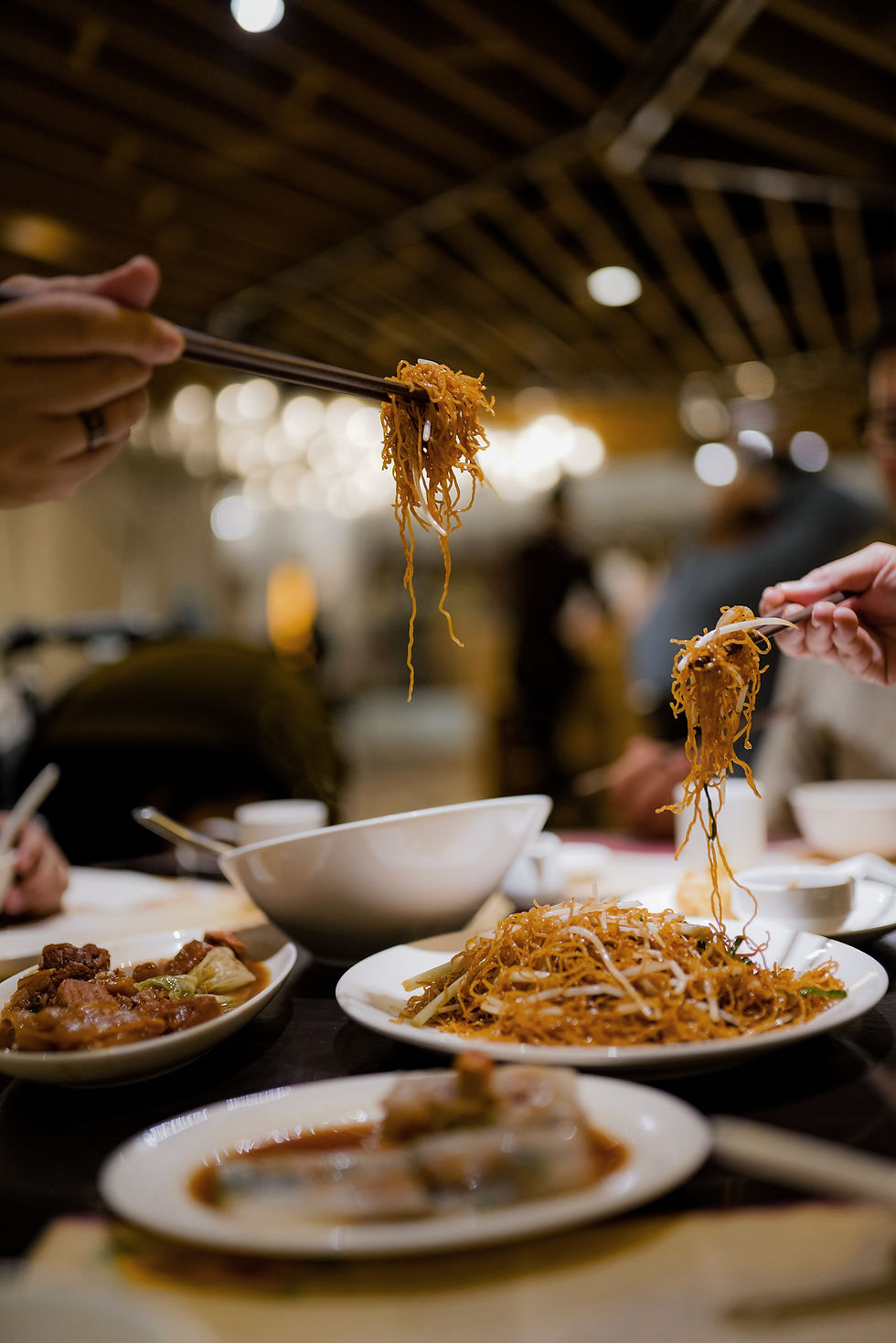
From an investment and entrepreneurship perspective, opening an authentic Chinese restaurant in Cluj-Napoca represents a promising business opportunity. Considering the city's growing consumer market, increasing internationalization, and expanding demand for diverse dining experiences, Cluj offers favorable conditions for the development of a high-quality Chinese restaurant. As Romania's second-largest city and the economic and technological center of Transylvania, often referred to as the "Romanian Silicon Valley," Cluj-Napoca has become one of the country's most attractive locations for new food-service investments.
Market Demand
The local market is sufficiently large and diverse to support additional Chinese restaurants, particularly those offering authentic regional Chinese cuisine.
One of Cluj's greatest advantages is not simply its population size but its exceptionally young demographic. The city is home to twelve universities with more than 80,000 students, accounting for approximately 20–25% of the urban population. Young consumers are generally more willing to explore new cuisines and dining experiences, driven by globalization, social media, and increasing cultural openness. At the same time, the growing number of international students—including Chinese students—creates demand for authentic Chinese food that provides both familiarity and cultural connection. For many international students, food represents not only taste but also identity, comfort, and everyday lifestyle.
Furthermore, international students contribute to the diversification of local consumption patterns. Their dining preferences gradually influence local consumers, making international cuisines increasingly mainstream rather than niche products. Compared with older generations, younger consumers are also more accustomed to ordering food through delivery platforms, creating favorable conditions for fast-casual Chinese restaurants and delivery-oriented business models.
Another important target market consists of Cluj's rapidly expanding IT community. Known as Romania's "Silicon Valley," Cluj hosts more than 1,200 technology companies and over 20,000 IT professionals. This group generally enjoys relatively high purchasing power, frequently orders takeaway meals, and demonstrates a strong willingness to experiment with international cuisines. Their busy work schedules also make convenient, high-quality food delivery particularly attractive. Consequently, IT professionals represent one of the most promising customer segments for an authentic Chinese restaurant.
In addition, Cluj has become one of Romania's most international cities, attracting Erasmus students, expatriates, multinational employees, digital nomads, and foreign entrepreneurs. As the city's international population continues to grow, demand for authentic global cuisines is expected to increase. An authentic Chinese restaurant would not only satisfy consumer demand but also contribute to the city's cultural diversity and tourism appeal.
Competitive Environment
Chinese restaurants in Cluj currently face competition primarily from Japanese, Korean, Vietnamese, and existing Chinese-style restaurants.
Many long-established Chinese restaurants, such as Restaurant Shanghai, have adapted their menus extensively to Romanian tastes. While these restaurants have successfully established local customer bases, their offerings are often better described as Romanian-style Chinese cuisine rather than authentic regional Chinese cuisine.
Japanese restaurants currently occupy a stronger position in the Asian dining market, benefiting from the popularity of sushi and the perception of Japanese cuisine as healthy and modern. Meanwhile, Korean restaurants have experienced rapid growth, supported by the global popularity of K-pop, Korean television dramas, and Korean popular culture.
Although competition within the Asian restaurant sector has intensified, the market still lacks a highly recognizable brand specializing in authentic Chinese regional cuisine. Rather than representing a disadvantage, this gap creates an opportunity for differentiation. A restaurant that combines authentic flavors, consistent quality, modern branding, and reasonable pricing could establish a distinctive competitive advantage within the local market.

Market Opportunities
Several market opportunities remain underexploited.
First, authentic regional Chinese cuisines are largely absent from the current market. Most existing restaurants offer simplified or localized dishes that differ considerably from their original regional styles. Representative cuisines such as Sichuan spicy cuisine, Cantonese dim sum, Xi'an-style noodles, and other regional specialties remain underrepresented. As younger consumers become increasingly exposed to authentic Chinese food through social media, travel, and online content, their willingness to experience original flavors continues to grow.
Second, the standardized Chinese fast-casual segment remains largely undeveloped. Business models similar to Panda Express or other modern Chinese fast-food chains could successfully target students, office workers, and IT professionals by offering affordable, efficient, and standardized meals while integrating seamlessly with food delivery platforms.
Third, Chinese noodle restaurants represent another promising market segment. The popularity of Japanese ramen and Vietnamese pho demonstrates that local consumers readily accept Asian noodle dishes. Traditional Chinese noodle varieties—including Lanzhou hand-pulled noodles, Chongqing spicy noodles, Beijing zhajiangmian, and various soup-based noodle dishes—could further diversify Cluj's culinary landscape while requiring relatively simple kitchen operations.
To better match Romanian consumer preferences, menu design should emphasize chicken, beef, and pork, which are generally more popular than seafood. In addition, offering adjustable spice levels—from non-spicy to authentic Chinese spicy—would reduce barriers for first-time customers while preserving the authenticity of the cuisine. Set meals combining a main dish with rice or noodles, vegetables, and soup would also better align with local dining habits.
Challenges
Despite the favorable market conditions, several operational challenges must be considered.
Commercial rents in Cluj have increased significantly in recent years, particularly in central business districts. Labor costs have also risen steadily, increasing operating expenses for restaurant businesses.
Recruiting qualified chefs capable of preparing authentic Chinese cuisine represents another major challenge. Restaurants must either hire experienced Chinese chefs or invest considerable time and resources in training local staff.
In addition, establishing a reliable supply chain for authentic Chinese ingredients—including Sichuan peppercorns, Pixian broad bean paste, Chinese spices, and specialty sauces—can be difficult due to import regulations, transportation costs, and supplier availability.
Macroeconomic uncertainty, inflation, and fluctuations in consumer purchasing power may also affect the restaurant industry's long-term profitability.
SWOT Analysis
Strengths | Weaknesses |
Large student and international population | High commercial rent |
Strong IT sector with high purchasing power | Rising labor costs |
Growing acceptance of Asian cuisine | Difficulty recruiting qualified chefs |
Limited competition in authentic regional Chinese cuisine | Dependence on imported ingredients |
Opportunities | Threats |
Increasing popularity of Asian cuisine | Intensifying competition among Asian restaurants |
Expansion of food delivery platforms | Economic uncertainty and inflation |
Growing demand for authentic international food | Rising operating costs |
Increasing internationalization of Cluj | Changes in consumer spending patterns |
Conclusion
Overall, Cluj-Napoca presents favorable market conditions for establishing an authentic Chinese restaurant. The city's youthful population, strong purchasing power, international character, and increasing demand for diverse culinary experiences create significant growth potential. Although operational challenges such as rising costs, staffing shortages, and supply chain management should not be underestimated, these obstacles are outweighed by the opportunities created by an underserved market.
Rather than competing directly with existing localized Chinese restaurants, a new entrant should differentiate itself by offering authentic regional Chinese cuisine, standardized service quality, modern branding, and strong integration with food delivery platforms. Such a strategy would position the restaurant to meet the evolving preferences of both local and international consumers while establishing a sustainable competitive advantage in Cluj's expanding food-service market.


Comments